Deciding whether to rent or buy in Nashville’s 37207 can feel like a moving target. Prices shift, rents reset at renewal, and your life plans may be in flux. You want a clear, local playbook that shows what really changes your monthly payment and when buying starts to pay off. This guide walks you through the costs, programs, timelines, and lifestyle tradeoffs specific to 37207 so you can choose with confidence. Let’s dive in.
37207 at a glance
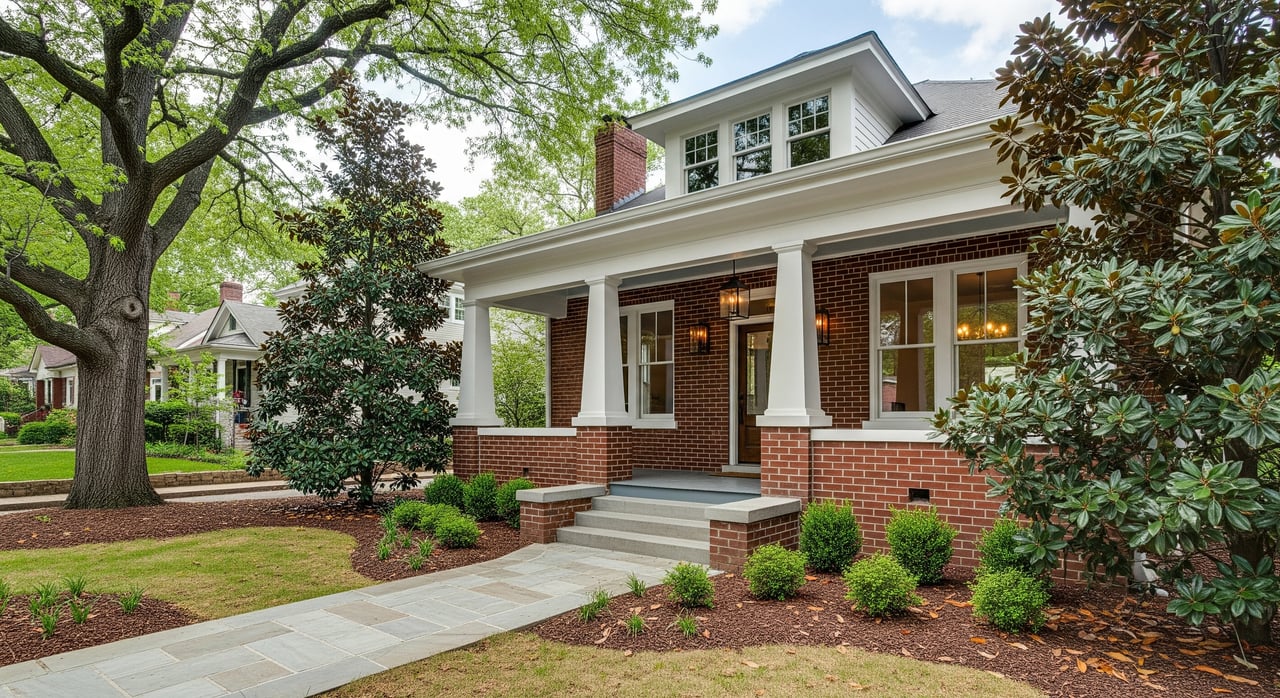
Living in 37207 puts you near downtown, major employers, and entertainment. The area mixes older single-family homes, renovated cottages, newer infill builds, and multifamily communities. Walkability and transit access vary by block, and WeGo Public Transit routes connect you to the city core. Proximity to parks, grocery options, and ongoing infill development supports steady renter and buyer demand.
Market forces shaping your choice
Across the Nashville area, prices climbed earlier in the decade, cooled in 2022–2023, and remain supported by limited inventory. Rents rose through 2021–2022, then moderated but stayed above pre‑pandemic levels in many urban neighborhoods. In 37207 specifically, central location and amenities tend to keep demand healthy and vacancy relatively low compared with farther suburban ZIPs. Because numbers change quickly, focus on your timeline and the specific homes or rentals you are considering.
What it really costs each month
A smart decision starts with a side‑by‑side cost list. Build your own worksheet using the items below.
Renting costs
- Monthly rent
- Renter’s insurance
- Utilities you pay under the lease
- Parking, pet rent, and any amenity fees
- Application fees and moving costs at lease start
Buying costs
- Mortgage principal and interest
- Property taxes
- Homeowners insurance
- Private Mortgage Insurance if down payment is under 20 percent
- HOA dues if applicable
- Maintenance and repairs (plan 0.5 to 1.5 percent of home value per year)
- Utilities, often higher if the home is larger
- Closing costs (commonly 2 to 5 percent of purchase price)
- Inspection, appraisal, and moving costs
One realistic example
Below is a simplified scenario to help you compare. It is for illustration only. Update every assumption with your actual numbers.
Assumptions:
- Purchase price: 350,000 dollars
- Down payment: 10 percent (35,000 dollars)
- Loan: 315,000 dollars, 30‑year fixed at 7.0 percent
- Property taxes: assume 0.8 percent of price per year (2,800 dollars)
- Homeowners insurance: 1,800 dollars per year
- PMI: 120 dollars per month until you reach 20 percent equity
- Maintenance: 1 percent of price per year (3,500 dollars)
- HOA: none
- Owner utilities: 200 dollars per month
- Comparable rent: 2,100 dollars per month for a 2–3 bedroom
- Renter utilities: 150 dollars per month; renter’s insurance 20 dollars per month
Estimated monthly comparison:
- Owner: principal and interest about 2,095 dollars, taxes 233 dollars, insurance 150 dollars, PMI 120 dollars, maintenance 292 dollars, utilities 200 dollars. Approximate total: 3,090 dollars.
- Renter: rent 2,100 dollars, utilities 150 dollars, renter’s insurance 20 dollars. Approximate total: 2,270 dollars.
What this shows: buying may cost more per month at first, but part of your payment reduces the loan balance and you capture potential price appreciation. Over a 5 to 7 year hold, that equity build can offset higher monthly outlay and transaction costs. Shorter plans often favor renting because selling costs and market risk can outweigh early equity gains.
Taxes, insurance, and flood risk in Davidson County
Tennessee property taxes depend on assessed value and local rates. The effective tax you pay can differ from the millage because of how assessments work by property class. Before you buy, review the current county tax rate and the property’s assessed value to estimate your annual bill.
Homeowners insurance costs vary with age and condition of the home, materials, and claims history. Parts of 37207 sit near the Cumberland River. If a specific address is in a FEMA flood zone, your lender may require flood insurance, which can be a meaningful extra cost. Always check flood maps and talk with your insurance agent during due diligence.
HOA and rental rules to know
Many newer townhomes and condos in and around 37207 include HOA fees that cover exterior maintenance and amenities. HOA rules can affect your costs and your flexibility. If you plan to rent the home later, confirm whether leasing is allowed and if there are minimum lease terms. Nashville regulates short‑term rentals with permits and compliance requirements, so get clarity before counting on STR income.
Renters’ rights and owner responsibilities
Tennessee’s landlord‑tenant law sets rules for security deposits, notices, and required disclosures. If you plan to rent first or buy a rental property, review those timelines and obligations. Metro codes also require basic safety and property standards. Understanding these rules helps you avoid surprises at move‑in or when you become an owner.
Programs that can lower upfront costs
First‑time buyers may qualify for Tennessee Housing Development Agency options that pair fixed‑rate mortgages with down payment assistance, subject to income and price limits. Metro‑level initiatives can also appear from time to time to support workforce buyers. Beyond assistance programs, compare loan types:
- Conventional: down payments as low as 3 percent with mortgage insurance until you reach 20 percent equity.
- FHA: 3.5 percent down with mortgage insurance for most of the loan term.
- VA: zero down for eligible service members and veterans, with funding fees instead of monthly mortgage insurance.
- USDA: zero down in eligible rural areas.
Shop lenders and lock a rate that fits your budget. Closing costs and lender fees vary, so request detailed quotes.
Lifestyle factors that matter
- Mobility: If you expect a job change or relocation soon, renting gives you flexibility and lower exit costs.
- Control: Owning lets you renovate and customize. Renters must follow lease rules and seek approvals for changes.
- Maintenance: Older homes in 37207 can need roof, HVAC, or plumbing updates. Budget realistically so repairs do not derail your plan.
- Investment mix: A home can be a long‑term inflation hedge and forced savings, but it concentrates wealth in one property. Keep your broader financial picture in mind.
How to decide: a simple checklist
Use this quick screen before you commit.
- Timeline: If you plan to stay 5 to 7 years or more, buying often pencils out. Shorter plans lean toward renting.
- Savings: Do you have funds for down payment, closing costs, and an emergency repair cushion of at least 1 to 3 percent of value?
- Monthly comfort: Stress‑test your budget at today’s rates and add insurance, taxes, PMI, and maintenance.
- Property type: Check HOA dues and rules, plus any rental restrictions if you want flexibility later.
- Location risks: Review flood maps and insurance quotes for the specific address.
- Programs: See if you qualify for state or local assistance to reduce upfront cash.
Next steps
- Price your target: Pull current comps for your preferred neighborhoods and property types in 37207.
- Run the math: Build a rent vs buy worksheet with your actual rent, rate quotes, taxes, insurance, and maintenance.
- Get preapproved: Lock in a budget and improve your negotiating position before you tour.
- Explore programs: Check eligibility for down payment assistance or special loan products.
If you want a straightforward, numbers‑first conversation about your options and a plan that fits your timeline, reach out to Donald White. You will get clear guidance, responsive communication, and practical next steps.
FAQs
How much does it cost to rent vs buy in Nashville’s 37207?
- Costs change month to month, but the biggest drivers are your rent, interest rate, taxes, insurance, and maintenance; build a worksheet with current quotes to compare your exact monthly totals.
How long should I stay for buying to make sense?
- A 5 to 7 year holding period is a common breakeven range because it lets equity build and spreads closing and selling costs over more years.
What down payment do I need to buy in 37207?
- Conventional loans can start near 3 percent down, FHA around 3.5 percent, and VA or USDA offer zero‑down options for eligible borrowers; down payment assistance may further reduce upfront cash.
Are property taxes high in Davidson County?
- Your bill depends on the home’s assessed value and the county rate; review the current rate and the property’s assessment to estimate taxes before you make an offer.
Do I need flood insurance in 37207?
- Only if the property sits in a mapped flood zone or your lender or insurer requires it; check the specific address against flood maps during due diligence.
Can I rent out my home after I buy?
- It depends on your HOA’s leasing rules, Nashville’s short‑term rental regulations, and any lender occupancy requirements; verify all three before closing.
What hidden costs of owning should I plan for?
- Budget 0.5 to 1.5 percent of the home’s value per year for maintenance, plus potential items like roof, HVAC, plumbing, and small upgrades within the first year.
Does renting now mean I cannot buy later?
- Not at all; use your lease period to save for closing costs and emergencies, improve credit, and explore assistance programs so you can buy on your timeline.