Are you torn between the ease of a community access lot and the dream of walking straight from your porch to the water? If you’re exploring homes around Watauga Lake in Johnson County, you’re not alone. Both lakefront and lake-access properties offer an amazing lifestyle, but they come with very different responsibilities, costs, and rules. In this guide, you’ll learn what sets them apart, what to verify before you buy or sell, and how to choose the right fit for your goals. Let’s dive in.
What “lakefront” really means
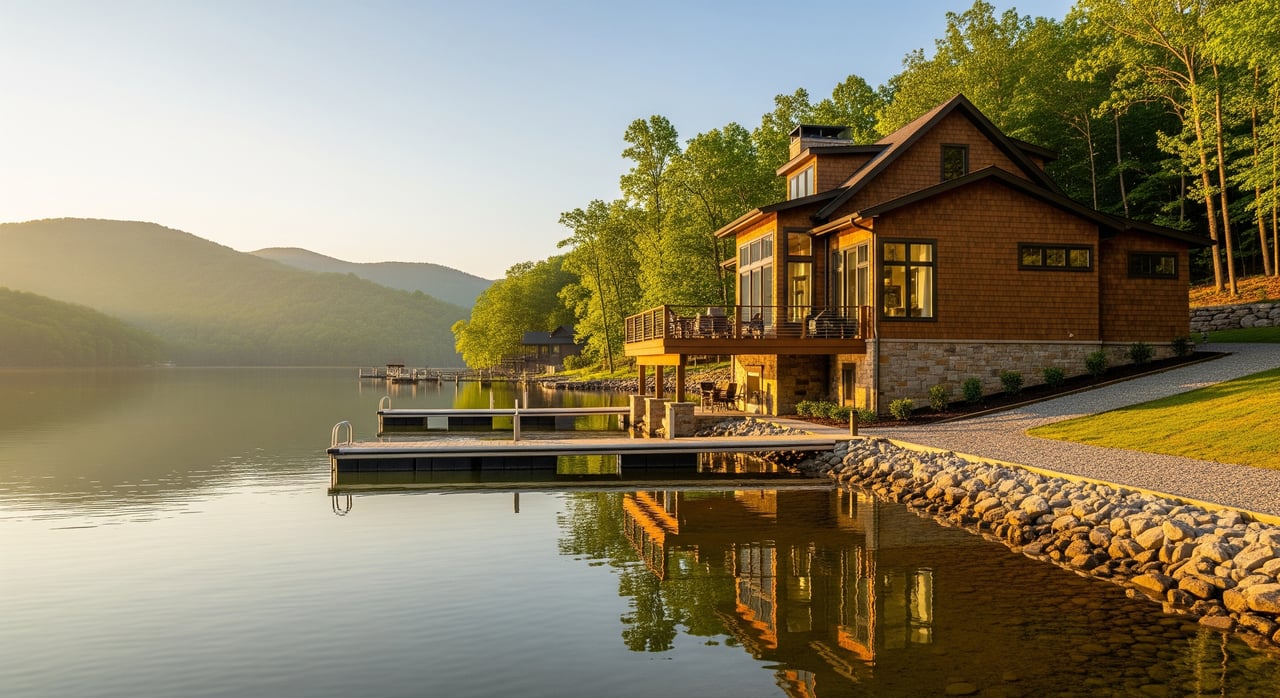
Lakefront homes touch the shoreline, giving you immediate, private access to Watauga Lake. On a Tennessee Valley Authority reservoir like Watauga, that access is still subject to TVA shoreline easements and rules. You gain daily convenience and privacy, but you also take on more direct responsibility for shoreline upkeep and any permitted structures.
Key points:
- You may not own the lakebed or entire shoreline area, even if your parcel borders the water.
- TVA easements can limit what you can build or alter near the shore.
- Existing docks, seawalls, or lifts need proper permits and maintenance.
What “lake-access” really means
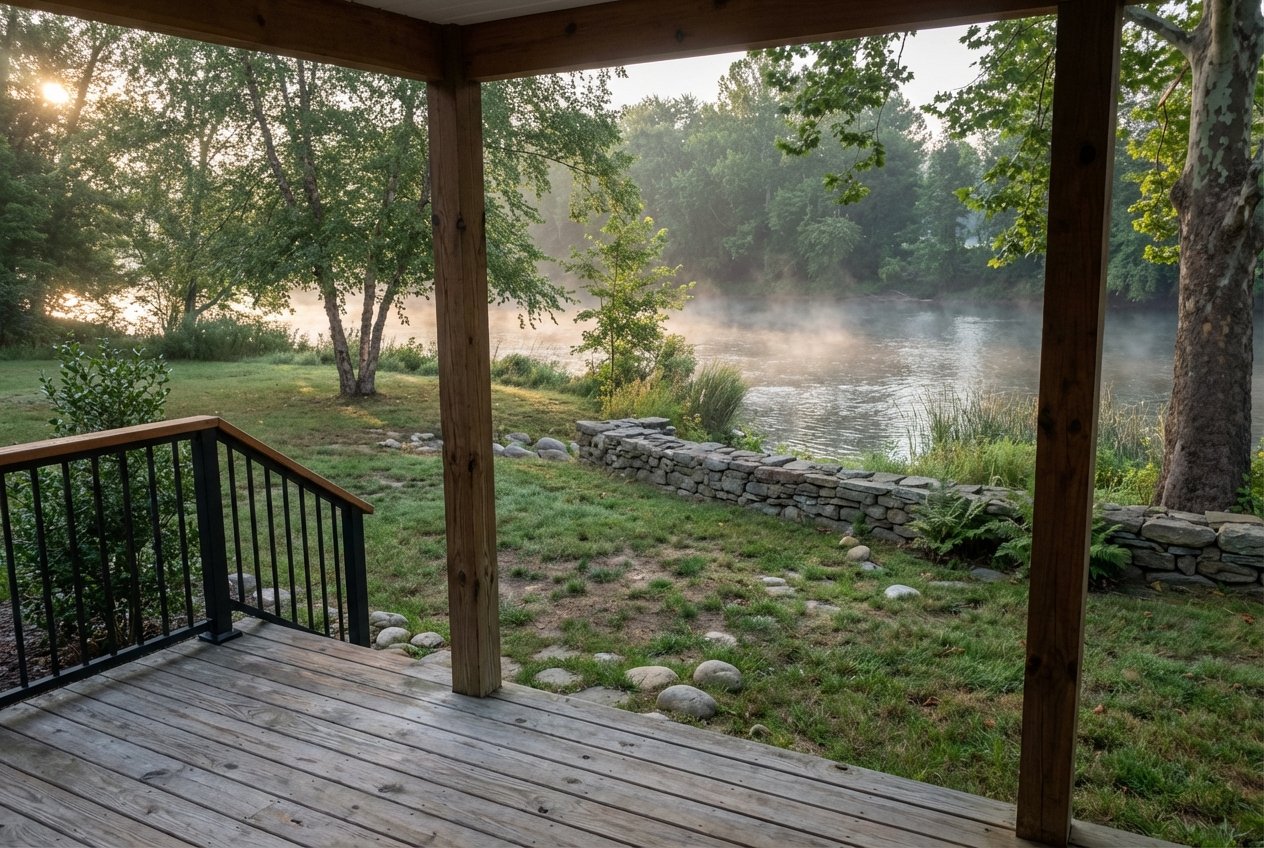
Lake-access homes do not touch the water. Instead, you use a shared path, lot, ramp, or association dock for your boating and swimming. This can be a great balance of lifestyle and budget, especially if you want fewer maintenance tasks and a lower entry price.
Key points:
- Your deed or HOA documents should clearly define how and when you can use the shared access.
- Rules may limit boat storage, guest use, or hours.
- You may pay HOA or community fees for upkeep of shared facilities.
Quick lifestyle tradeoffs
- Convenience: Lakefront offers instant access. Lake-access usually means a short walk or drive to a shared point.
- Cost: Lakefront often carries a price premium. Lake-access typically provides a lower entry cost.
- Maintenance: Lakefront owners handle shoreline and dock care. Lake-access owners share costs via HOA fees.
- Rules and permits: Both face TVA rules, but lakefront owners deal with more direct shoreline permitting.
Ownership, title, and easements to confirm
Your first step is paperwork. Title language and easements shape what you can do on the property and how you reach the water.
What to verify:
- Deed boundaries: Does your boundary go to the high-water mark or another defined line?
- TVA shoreline easements: Understand restrictions on docks, seawalls, and landscaping.
- Access rights for lake-access homes: Confirm deeded access, recorded maintenance agreements, and whether access is exclusive to a subset of lots.
Why it matters:
- You want clarity on who maintains shared access areas.
- Easements can affect appraisals, insurance, and future improvements.
Docks, boathouses, and shoreline permits
TVA-managed reservoirs require permits for shoreline structures. County and state requirements may also apply. Unpermitted work can delay closings or require expensive fixes.
For lakefront owners:
- Confirm any dock or shoreline structure has a valid permit and meets current standards.
- Inspect condition and factor replacement or repair costs into your budget.
For lake-access owners:
- Review HOA rules, maintenance plans, and reserves for shared docks or ramps.
- Ask how liability is allocated for accidents or storm damage.
Flood risk, lake levels, and insurance
Watauga Lake’s water levels are managed for hydropower and flood control, which can affect dock usability and shoreline exposure. Flood risk and insurance are tied to your specific location and elevation.
What to check:
- FEMA flood maps for Special Flood Hazard Area status.
- Lender requirements for flood insurance if the property is in a mapped flood zone.
- Homeowners policy coverage and any exclusions near water; boat liability is typically separate.
Practical tip:
- Ask insurance agents about historical claims in the neighborhood to better understand premiums and coverage options.
Utilities, septic, and wells
Many properties around Watauga Lake rely on private wells and septic systems. Public water or sewer is available in some areas, but not all.
What to verify:
- Health department permits, capacity, and inspection records for septic.
- Well flow, water quality tests, and recent service history.
- Internet and cell service options; some rural pockets have limited broadband.
Access, privacy, and seasonal use
Getting to the lake is part of the lifestyle. Privacy and peak-season usage patterns vary by location.
Considerations:
- Lakefront: Strong privacy and convenience, but expect more boat noise in busy coves or near public ramps.
- Lake-access: Shared facilities can be lively during summer weekends, which may affect parking or wait times.
- Roads: Confirm year-round access and who maintains private roads during winter weather.
Total cost picture: beyond the purchase price
The best decision weighs ongoing expenses against your long-term plans.
Budget for:
- Lakefront: Dock upkeep, shoreline stabilization, erosion control, and any permit renewals.
- Lake-access: HOA dues, potential special assessments, or per-use fees.
- All properties: Septic pump-outs, well maintenance, insurance, and routine inspections for water intrusion.
Property taxes and assessments depend on local valuations and improvements, so confirm recent assessments for comparable properties.
Financing and appraisal on waterfront
Lenders and appraisers handle lake homes with added scrutiny. Waterfront comparables can be limited, and utilities or flood status play a role.
Tips:
- Choose a lender with experience on TVA reservoirs and flood requirements.
- Request an appraiser familiar with waterfront and rural comparables.
- Line up insurance quotes early to keep underwriting smooth.
Resale and rental considerations
Your exit strategy matters. Lakefront and lake-access homes attract different buyers and have different marketing angles.
- Lakefront: Strong appeal for privacy and direct boating. Documented permits and quality shoreline improvements can support value.
- Lake-access: Broad buyer pool focused on affordability and shared amenities. Clear HOA rules and healthy reserves boost confidence.
- Short-term rentals: Rules vary by county and HOA. Confirm local ordinances and association restrictions before relying on rental income.
Buyer due diligence checklist
Use this list to avoid surprises and negotiate with confidence:
- Title and deed review: Confirm boundary to water and all recorded easements.
- Survey: Get a current survey showing structures and proximity to high-water mark or easement lines.
- TVA records: Request easement maps and any existing dock or shoreline permits.
- HOA documents for lake-access: CC&Rs, bylaws, minutes, budgets, reserves, access rules, and rental restrictions.
- Flood and insurance: FEMA map determination, past flood-claim history, and insurance quotes.
- Septic and well: Health department permits, pump records, percolation tests, and water quality tests.
- Home and dock inspections: Include shoreline stabilization and check for unpermitted work.
- Appraisal and comps: Use a waterfront-experienced appraiser.
- Road access: Verify who maintains private roads and if there is a recorded road maintenance agreement.
- Utilities and service costs: Power, internet, and phone availability and costs.
- Environmental constraints: Any state or federal restrictions affecting land use.
- Local rules: Zoning, noise ordinances, boathouse rules, and short-term rental limits.
- Lender and insurance: Pre-approval and carrier willingness to cover waterfront risks.
Seller preparation and negotiation tips
Make your listing smoother and more marketable by doing your homework upfront.
- Gather documents: Permits, surveys, septic and well records, and any shoreline work approvals.
- Consider pre-listing inspections: Dock, septic, and key systems to set realistic pricing and reduce renegotiations.
- Disclose early: Easements, flood considerations, HOA rules, and rental restrictions to avoid post-contract issues.
- Anticipate questions: Buyers will ask about lake levels, access rights, insurance, and utility availability.
Which option fits your goals?
Choose lakefront if you value privacy, instant water access, and you are comfortable managing docks and shoreline upkeep. Pick lake-access if lower ownership costs, shared maintenance, and community amenities fit your lifestyle. Either way, the right choice comes from verifying permits, utilities, access rights, and insurance early in the process.
If you want local guidance from offer to closing, talk with Donald White. You’ll get clear advice, neighborhood-level insights around Watauga Lake, and professional marketing if you decide to sell.
FAQs
What is the main difference between lakefront and lake-access at Watauga Lake?
- Lakefront touches the shoreline with private, immediate access, while lake-access uses a deeded or HOA path, ramp, or dock that is shared under defined rules.
How do TVA shoreline easements affect a lakefront homeowner?
- TVA easements can limit docks, seawalls, and landscaping near the water, and you must secure permits for most shoreline structures on the reservoir.
Do I need flood insurance for a Watauga Lake home?
- If your property is in a FEMA Special Flood Hazard Area or your lender requires it, you will likely need flood insurance; get a map determination and quotes early.
What should I check before buying a lake-access home with an HOA?
- Review CC&Rs, bylaws, meeting minutes, budgets, reserve studies, and access rules to confirm rights, fees, guest policies, and any rental restrictions.
What inspections are unique to lakefront properties?
- In addition to a standard home inspection, include dock and shoreline stabilization reviews, septic and well checks, and verification that all shoreline work is permitted.
Can I add a new dock on a Watauga Lakefront lot?
- Possibly, but approvals depend on TVA rules, easements, and local permits; verify feasibility and timelines before you make plans or write an offer.
How do utilities differ around Watauga Lake’s rural areas?
- Many homes use private wells and septic systems, and some pockets have limited broadband; confirm availability, permits, and service costs in advance.