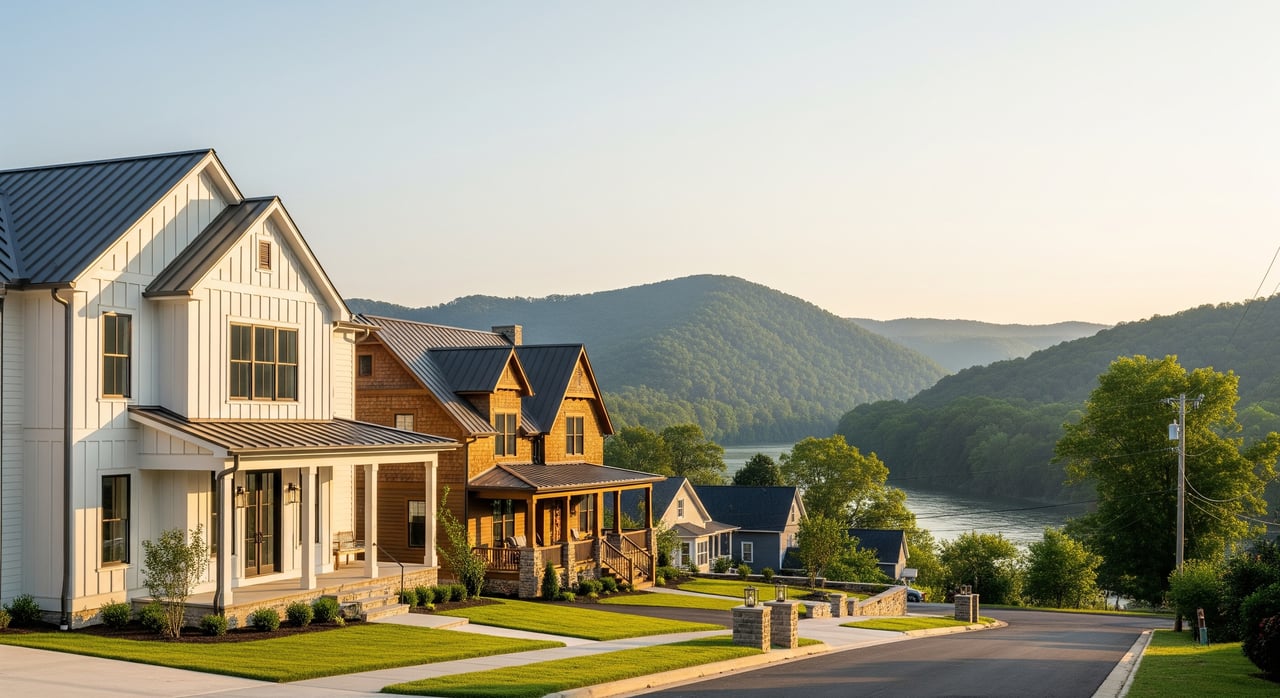
New Construction vs Existing Homes in Elizabethton
December 25, 2025
December 25, 2025
Wondering if a brand-new build or an existing home is the smarter move in Elizabethton? You are not alone. Buyers across Carter County weigh price, timeline, customization, and long-term costs before they decide. In this guide, you will learn the practical pros and cons of both options, plus local factors like flood zones, septic, and financing. Let’s dive in.
New homes often have a higher price per square foot because of new materials, current codes, and builder margins. Some builders separate lot premiums, driveways, landscaping, and utility taps, so ask for a full breakdown before you commit. Existing homes may be more affordable upfront, but plan for potential near-term repairs like roof, HVAC, or electrical updates.
Most new builds comply with current codes and often include efficient HVAC, insulation, and windows, which can lower utility bills over time. You can explore current rebates and incentives for efficient systems through the Database of State Incentives for Renewables and Efficiency. For older homes, a quick energy audit and targeted upgrades can close the gap on monthly costs.
New construction can take several months or longer depending on lot readiness, permits, materials, weather, and builder backlog. Seasonal slowdowns in northeast Tennessee can add time to a build. The upside is customization of floor plan, finishes, and features that fit your lifestyle.
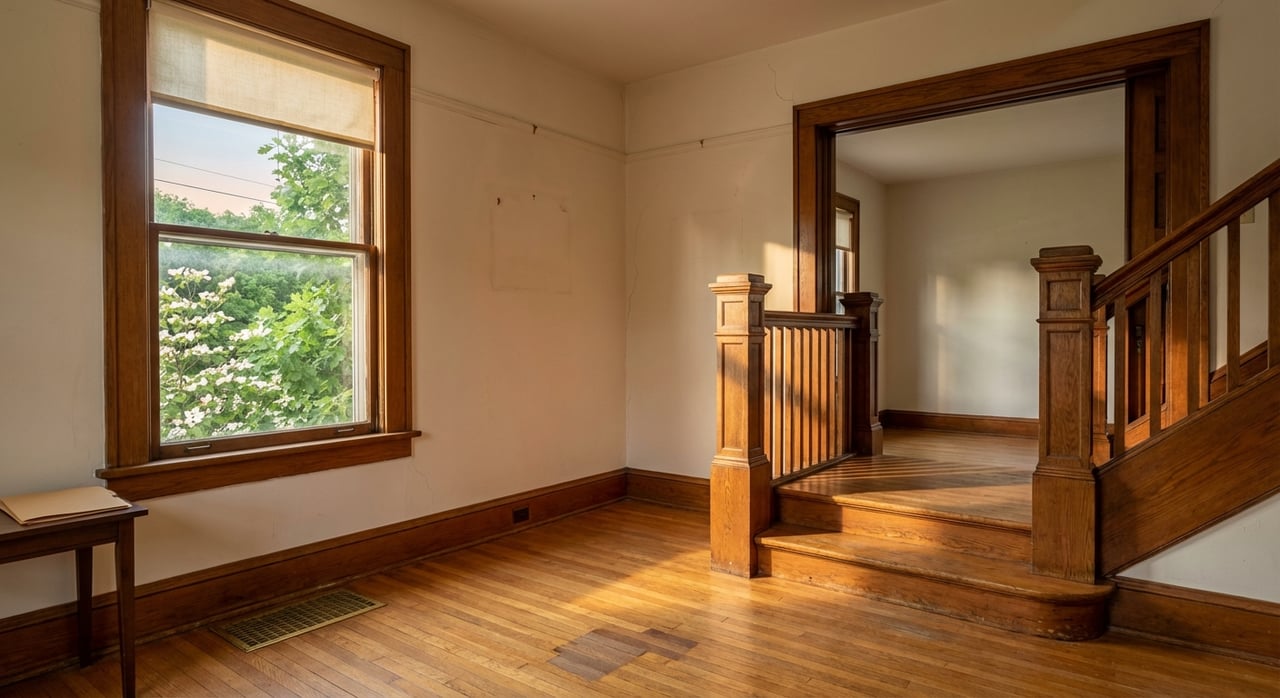
Existing homes close faster, often within 30 to 60 days after contract, which is helpful if you need certainty on timing. You can renovate over time, but plan for budget and contractor schedules. If you prefer immediate occupancy and a finished neighborhood feel, an existing home may be the right fit.
Most builders provide a written warranty, often 1 year on workmanship with longer coverage for structural components. Clarify what is covered, how to submit a claim, and who handles punch-list fixes near closing. Schedule independent inspections at key stages when possible, and at completion before your final walkthrough.
With an existing home, your home inspection contingency is your primary safeguard. Order a general inspection and any specialist checks the inspector recommends, such as septic, termite, roof, or HVAC. Ask for seller disclosures and any documentation for permitted additions or renovations.
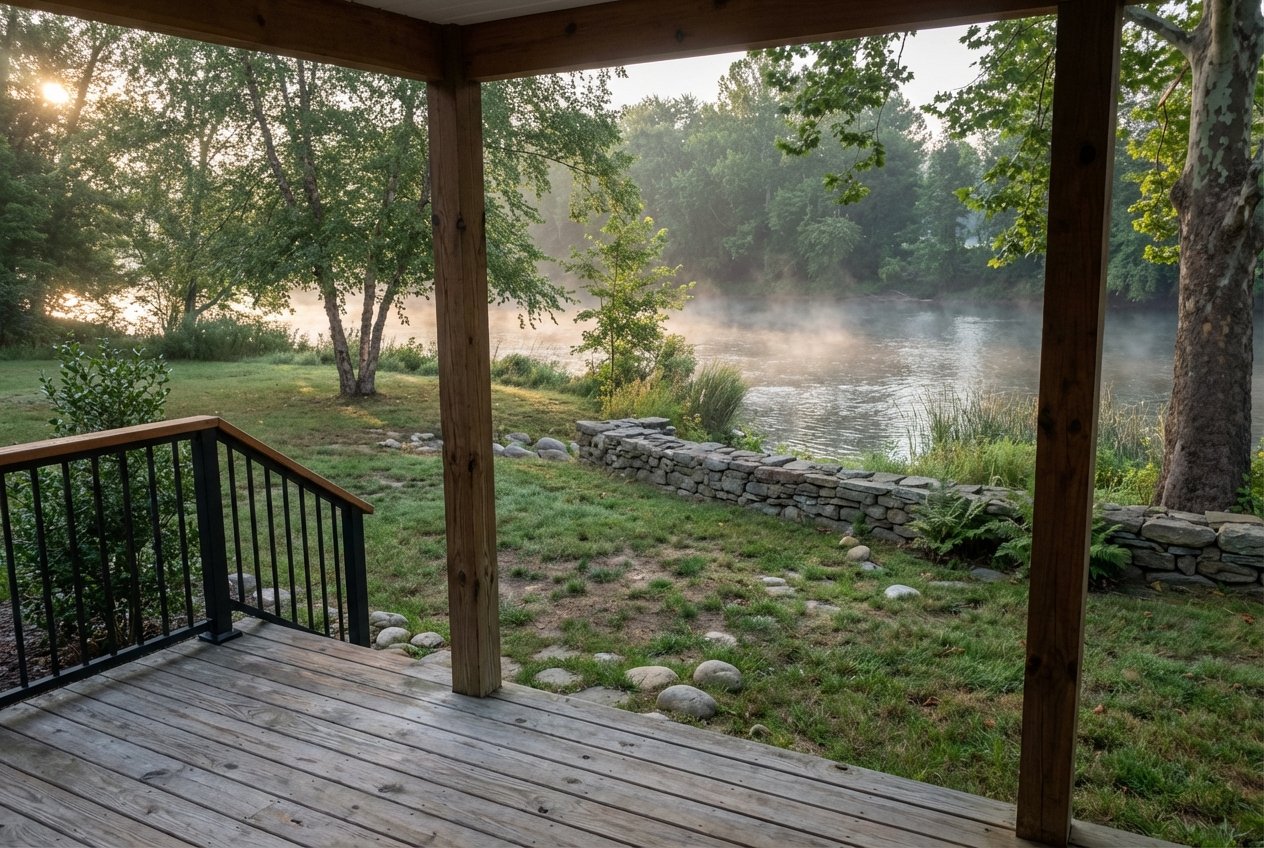
Parts of Carter County sit in mapped floodplains. Always review the FEMA Flood Map Service Center for the property. Your lender or insurer can advise on flood insurance requirements, and you can request an elevation certificate if needed.
Many outlying parcels rely on septic systems, which adds testing and permitting steps. Confirm septic records and capacity with the county Environmental Health office, and verify municipal sewer availability inside city limits. For eligibility questions, contact Carter County Environmental Health or the City of Elizabethton Utilities department directly.
Hilly or sloped lots can increase foundation and excavation costs for new builds. A survey and, if necessary, a soils report will help you understand site prep and drainage needs. Ask a local builder or civil engineer to estimate grading and retaining requirements before you finalize your budget.
If you are building, construction loans typically fund the project through draws and then convert to permanent financing at completion. Lenders will ask for builder credentials, plans, budget, and a timeline. Expect an appraisal near completion and be ready to document any changes to scope or finishes.
Government-backed programs can help, but rules differ for new builds. You can review FHA resources on the U.S. Department of Housing and Urban Development, VA lending on the VA Home Loans page, and rural eligibility on the USDA property eligibility site. Many Carter County addresses may qualify for USDA, subject to the map and property specifics.
New subdivisions sometimes have limited comparable sales. Appraisers may use a cost approach alongside sales comparisons, and lenders can scrutinize builder incentives like upgrade credits or closing cost help. Plan for the possibility that the appraised value may not match the contract price if comps are thin.
New neighborhoods can take years to build out. You may experience construction traffic, evolving HOA rules, and fewer established comparables early on. On the plus side, first owners often enjoy modern layouts and energy-efficient systems that appeal to future buyers.
Existing neighborhoods offer mature landscaping, finished streets, and a clearer sense of community services and boundaries. Proximity to amenities in Johnson City and local schools can influence demand and resale performance. Ask your agent for recent local absorption rates and price trends to align your purchase with your long-term plans.
Ready to weigh your options with local insight and a clear plan? Whether you want a move-in ready home in a mature neighborhood or a new build tailored to you, personalized guidance makes the difference. For neighborhood-level advice, cost comparisons, and a step-by-step buying strategy, connect with Donald White.
Stay up to date on the latest real estate trends.
Get assistance in determining current property value, crafting a competitive offer, writing and negotiating a contract, and much more. Contact me today.