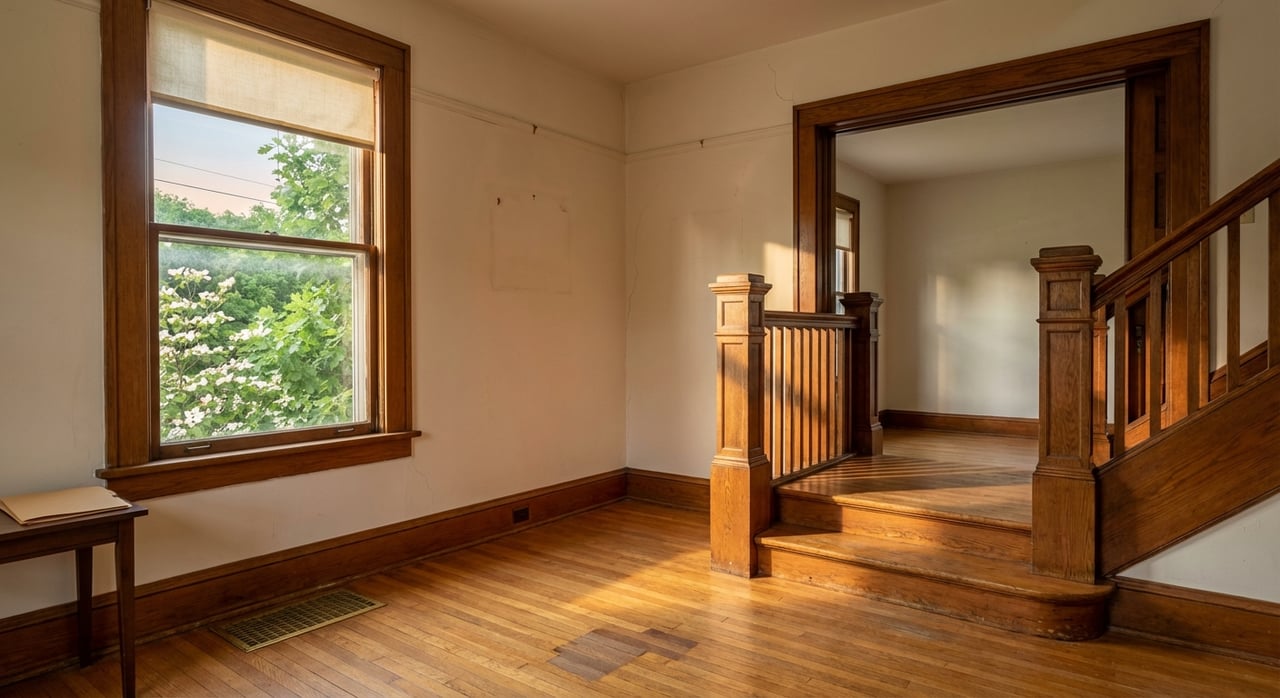
Buying A Historic Home In Elizabethton, Tennessee
February 19, 2026
February 19, 2026
Do you love wide front porches, original windows, and the kind of details you just don’t see in new builds? Buying a historic home in Elizabethton can be deeply rewarding, but it comes with a few extra steps. In this guide, you’ll learn what “historic” means locally, which approvals and incentives might apply, and the inspections that protect your budget. Let’s dive in.
In Elizabethton, “historic” covers a broad time span, from the late 1700s through the 1930s. The National Register historic district downtown features predominant Late Victorian and Federal styles, with landmarks like the covered bridge and courthouse anchoring the district’s story. You can explore the district’s official listing and period details through the National Park Service’s record of the Elizabethton Historic District.
Neighborhoods around downtown include late-1800s and early-1900s homes with wood and brick construction, porches, and decorative trim. Local historic resources such as Sabine Hill reflect the region’s earlier eras and influence the character many buyers seek. If a home’s exterior contributes to a district’s historic feel, that look can affect what you can change later. Understanding a home’s period and materials will help you plan maintenance, upgrades, and any design-review steps.
Elizabethton uses a historic zoning overlay and a Historic Zoning Commission to review exterior work in designated areas. Many visible changes, like windows, siding, or porch alterations, can require a Certificate of Appropriateness (COA). Start by contacting the city’s Planning & Development office to confirm a property’s overlay status and process through the City of Elizabethton. You can also review how COAs and design standards fit into the city’s framework in the code of ordinances reference.
Plan for review timelines in your renovation schedule. Approval is about compatibility with historic character, including design and materials. If you anticipate major exterior work, build in time for design review before you commit to a construction start date.
Elizabethton has offered targeted facade or rehab grants for downtown properties. These programs are usually limited in scope and focus on visible improvements, often for commercial or mixed-use buildings. Ask the city whether any current grant programs could apply to a specific address.
For income-producing historic properties, the Federal Historic Tax Credit can offset 20% of qualified rehabilitation expenses, but owner-occupied single-family homes typically do not qualify. If you are considering rental or mixed-use conversion, consult the Tennessee State Historic Preservation Office early and review the state’s guidance on the Federal Historic Tax Credit.
Many older Elizabethton homes are wood-frame with wood or masonry exteriors, porches, narrow single-pane windows, and decorative trim. Foundations may be stone or brick piers, and roofs can range from older wood shingles to later asphalt re-roofs. These materials create charm and curb appeal, but they also guide your maintenance plan.
Common systems and components to evaluate include:
Knowing what is original and what has been upgraded helps you prioritize future work and set a realistic budget. Many repairs benefit from specialized trades, such as historic window repair, tuckpointing, and porch carpentry.
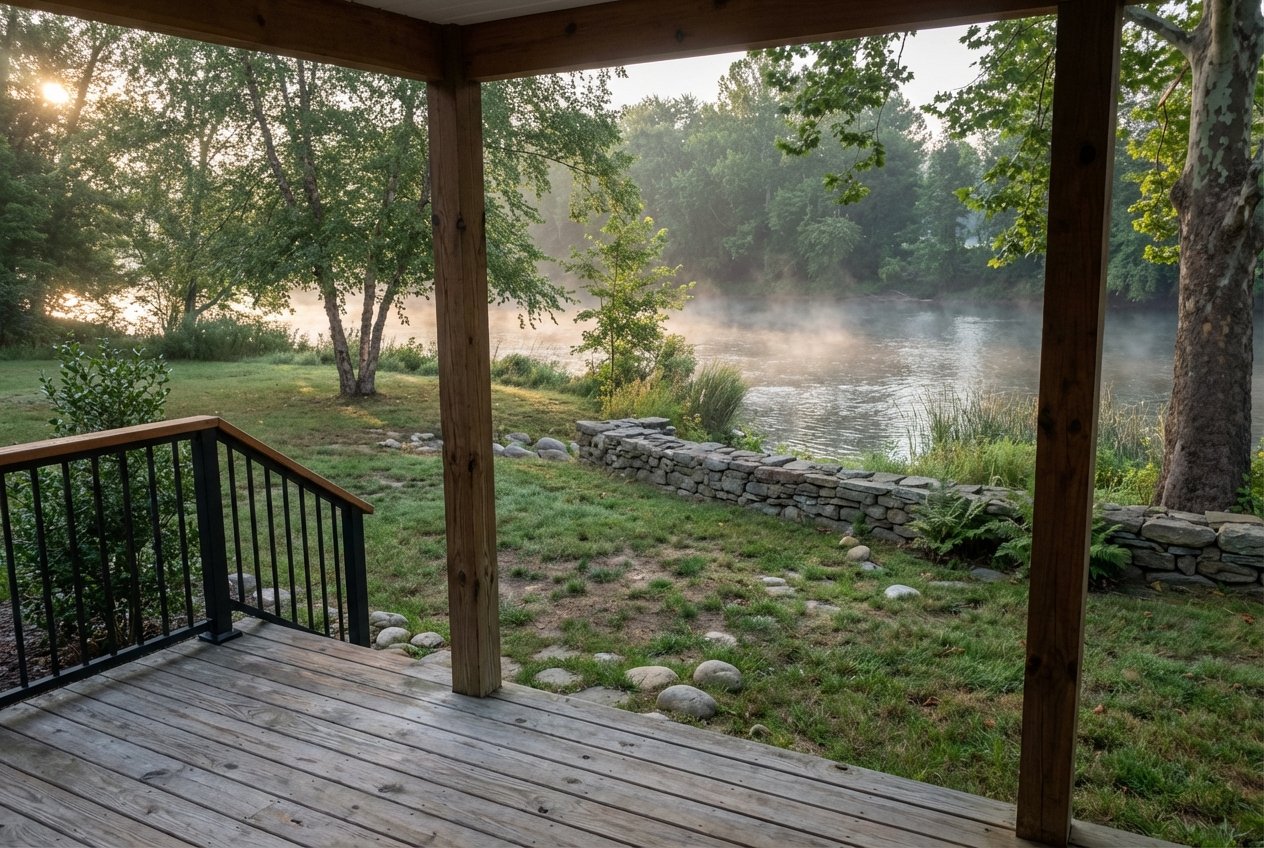
Elizabethton sits on the Doe and Watauga rivers, and some low-lying properties are within mapped floodplains. Before you close, check flood status and effective map panels through the FEMA Flood Map Service Center. Flood zone designation can affect insurance and may add mitigation requirements.
Radon is another key test. Tennessee’s radon program recommends testing every home, and statewide sampling has found about one in four tests above 4 pCi/L. You can learn about free test kits and mitigation guidance through the Tennessee Radon Program.
If the home was built before 1978, lead-based paint may be present. Federal rules require sellers to disclose known lead hazards and let you request a 10-day inspection window. Read more about buyer rights and contractor requirements through the EPA’s lead disclosure rule.
Asbestos can be found in some older building materials, like vinyl floor tiles, pipe insulation, or textured ceilings. It is usually a concern when materials are disturbed and fibers become airborne. For guidance on testing and safe handling, see the EPA’s homeowner resources on asbestos.
Termites and other wood-destroying organisms are common in Tennessee. Licensed, chartered professionals perform WDO inspections and reports, and findings are often negotiated in the contract. You can reference Tennessee’s licensing framework in state code summarized at law.justia.com.
High-priority inspections for historic and older homes include:
If your general inspection flags concerns, line up specialists:
Expect inspection budgets to rise with add-on tests. Many buyers spend from several hundred dollars to the low thousands depending on scope. Budgeting for possible remediation and specialist trades will help you move forward confidently.
Historic character often requires ongoing care. Set aside funds for porch and trim carpentry, masonry repointing, window maintenance, and selective system upgrades that respect historic materials. If your home is in the overlay, factor design review time into any exterior project plan. For risk management, keep radon testing, WDO inspections, and clear documentation part of your regular maintenance routine.
Ready to explore Elizabethton’s character homes with a guide who knows the neighborhoods and the process? Reach out to Donald White for local insight, a smart inspection strategy, and a buying plan tailored to your goals.
Stay up to date on the latest real estate trends.
Get assistance in determining current property value, crafting a competitive offer, writing and negotiating a contract, and much more. Contact me today.