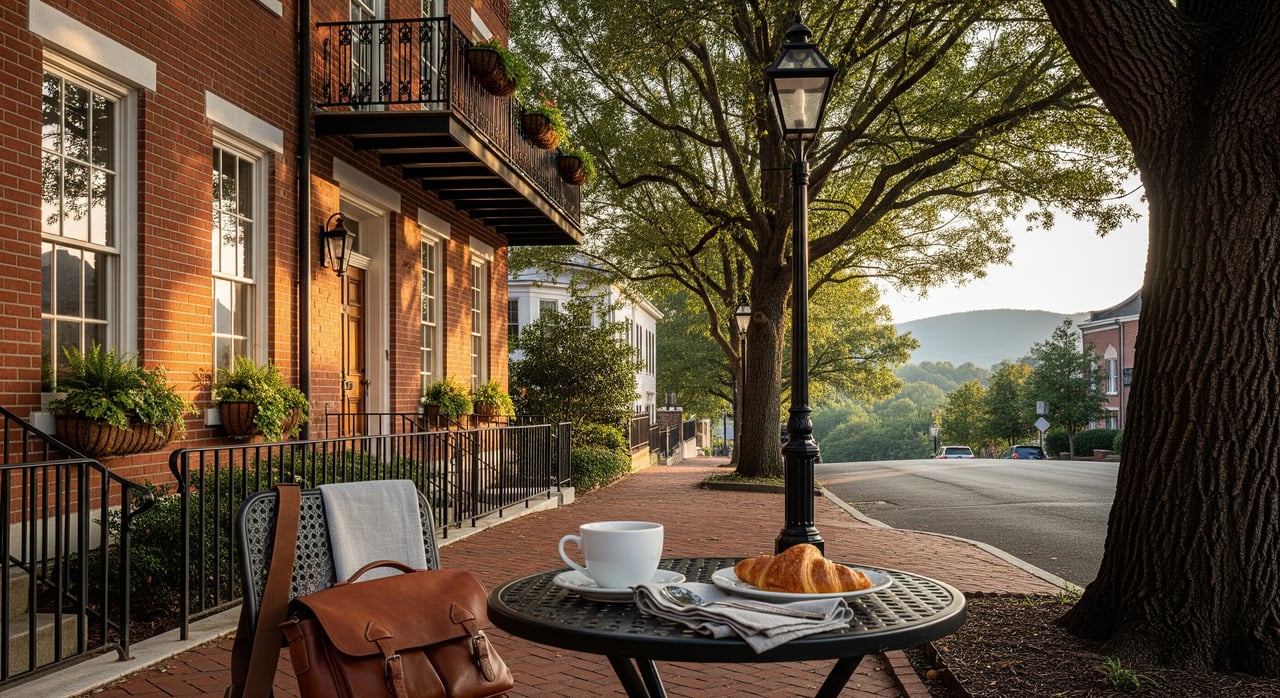
Living Near Downtown Johnson City: Daily Life Snapshot
February 12, 2026
February 12, 2026
If you like the idea of parking your car for the weekend and walking to coffee, dinner, a show, and a park, living near downtown Johnson City might be a great fit. You want a neighborhood that feels lively without losing day-to-day convenience. In this snapshot, you’ll see how daily life flows, what kinds of homes line the nearby streets, and what to consider before you buy. Let’s dive in.
Mornings start early around downtown. You can grab coffee or a pastry, then walk or bike to offices in the core. Many residents head a short distance to East Tennessee State University or the medical center, while others commute by car.
Midday brings steady energy. Lunch spots stay busy with local workers and nearby neighbors. Errands are simple when banks, pharmacies, salons, and small retailers are clustered within a few blocks.
Evenings feel social. You will find restaurants, local breweries, and live-music venues drawing a crowd, especially on weekends and during university events. If you value a vibrant atmosphere, being close to the core keeps plans easy and spontaneous.
Weekends are about options. You might pair the farmers market or a community event with a walk on a greenway, then dinner downtown. Many residents mix downtown dining and arts with a quick drive to nearby trails for hiking or biking.
Downtown Johnson City supports a strong mix of independent cafés, casual and sit-down restaurants, gastropubs, and breweries. That variety makes it simple to build a walkable routine, from a morning latte to a relaxed dinner with friends.
New places do open and some rotate out. Before you commit to a block, spend a few evenings exploring so you understand the noise level, foot traffic, and the kind of scene you prefer. If you value quiet nights, consider a few extra blocks away from the highest activity.
Daily needs are straightforward near the center. You will find small specialty shops and convenience markets close to downtown, with at least one larger supermarket a short drive away. For big household runs, most people drive 10 to 20 minutes to larger retail corridors.
Basic services are close at hand. Bank branches, pharmacies, dry cleaners, and salons are typically located downtown or along adjacent streets. If you plan to live car-light, map your weekly stops to see how much is truly walkable from a specific address.
Downtown is a cultural hub. Expect live music, small theaters or performance spaces, art galleries, and pop-up installations. A calendar of community festivals and seasonal events brings added energy to the streets.
Proximity to East Tennessee State University keeps the calendar full year-round with lectures, performances, and sporting events that spill into downtown. If you enjoy having something new to do each week, this is a major perk of living close by.
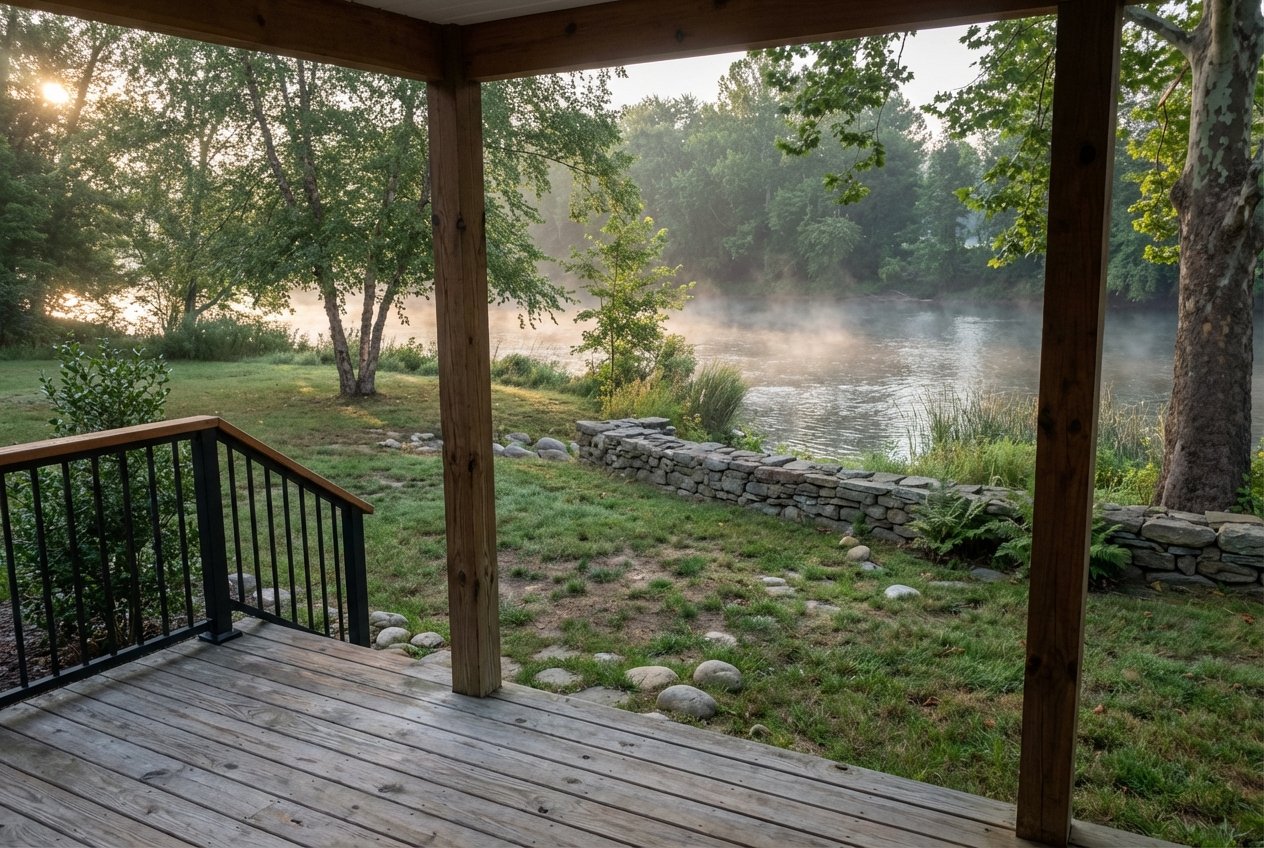
You can reach pocket parks, neighborhood playgrounds, and greenways quickly from downtown-adjacent blocks. They are perfect for dog walks, quick runs, and casual playtime.
Larger natural areas and trailheads sit a short drive from the core. Many residents plan weekend hikes and singletrack rides in the local ridges, then head back downtown for a meal. Biking and running are common ways to connect home, parks, and errands, though routes farther from the center become more car dependent.
City parks departments, trail groups, and local nonprofits often host volunteer days and youth sports. If you like to stay active and involved, living near these groups makes participation easier.
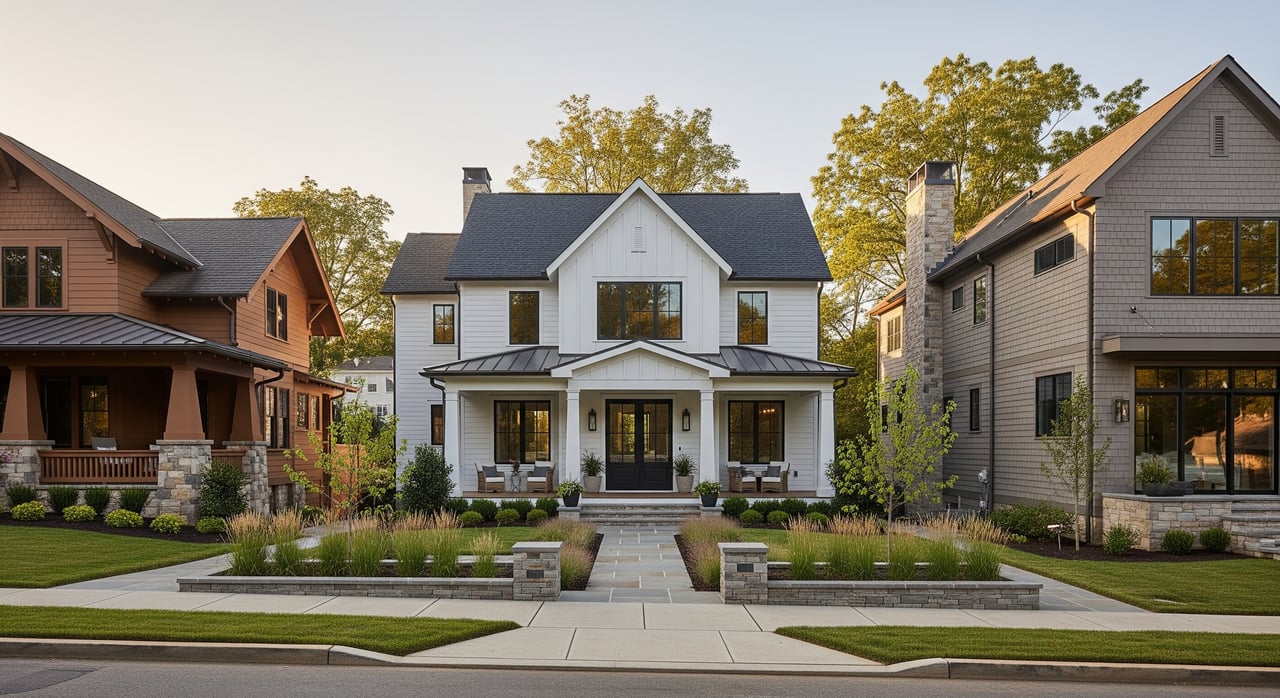
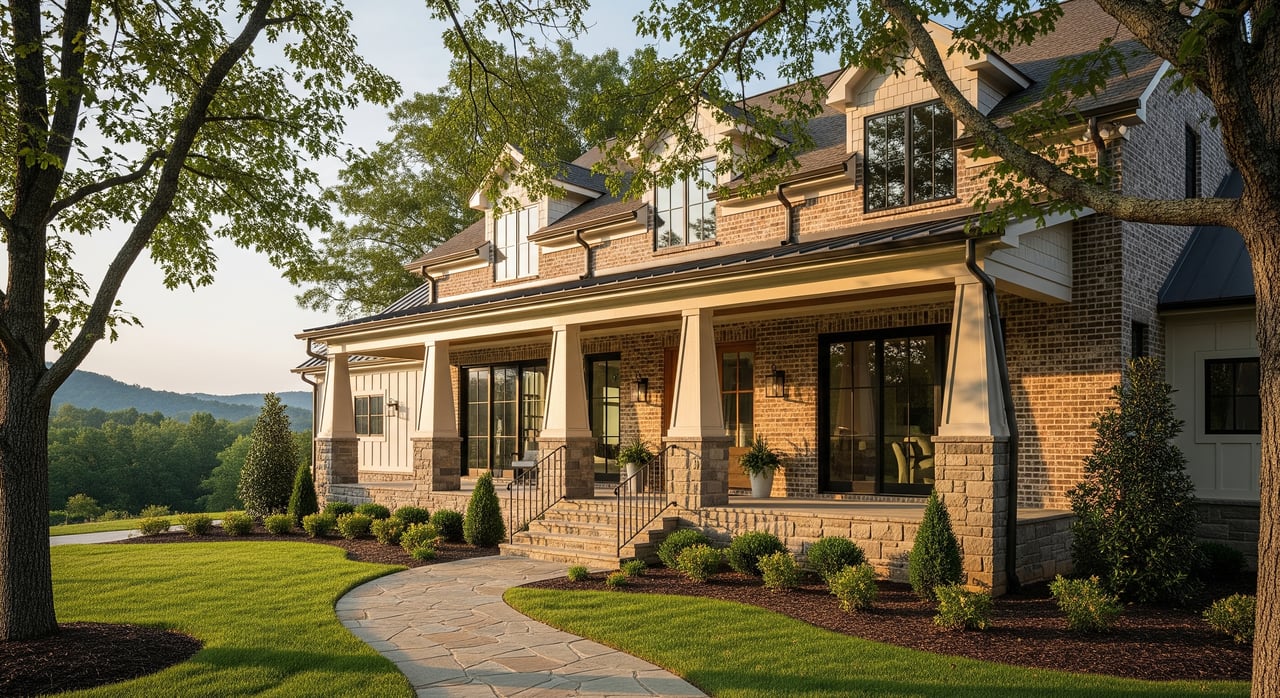
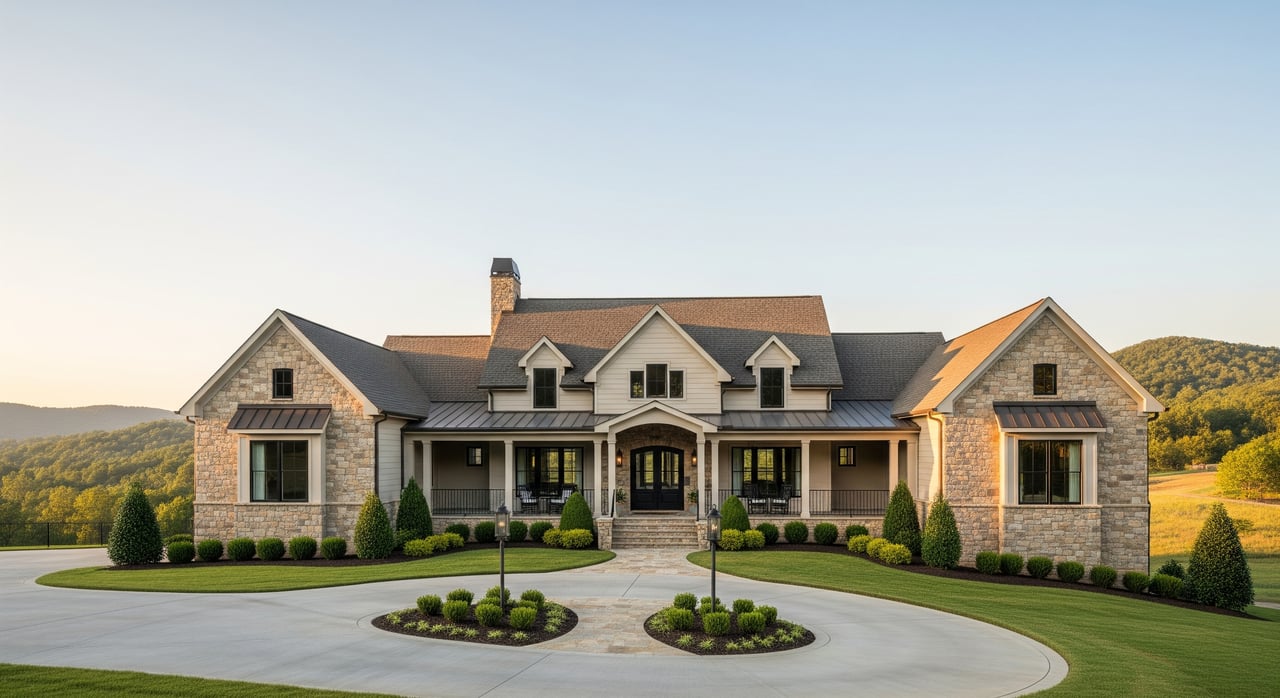
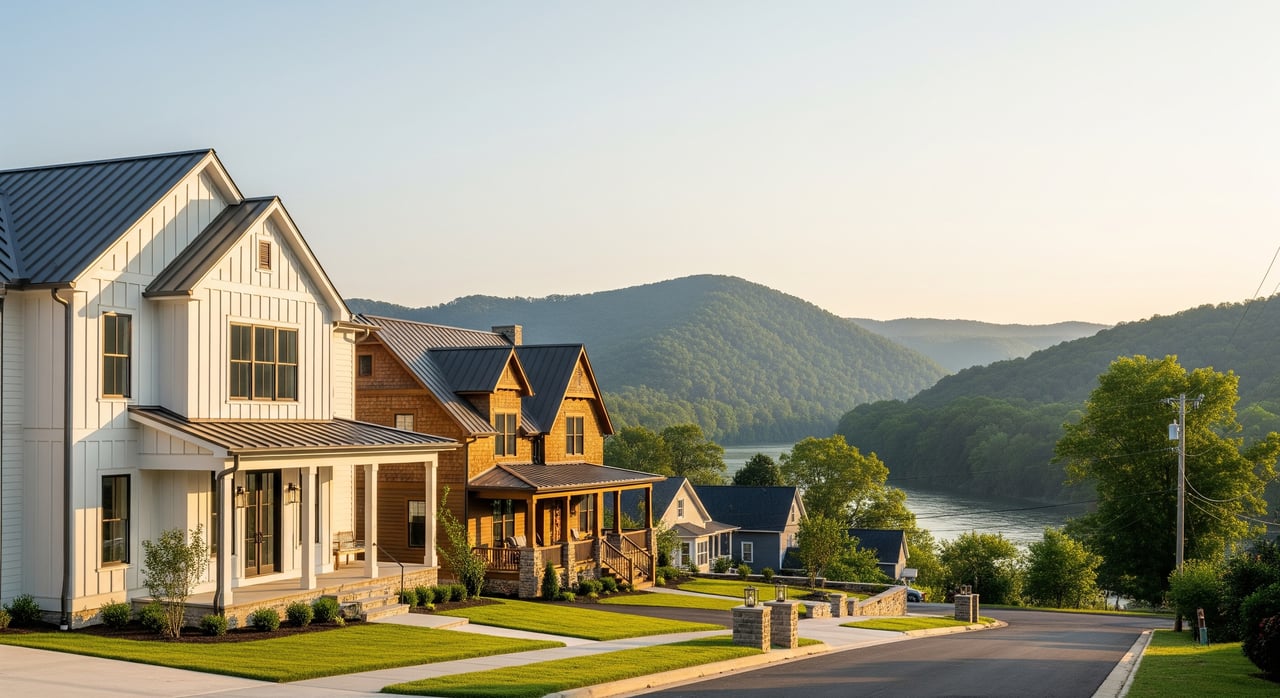
Housing close to downtown comes in many forms:
Proximity to downtown usually carries a price premium compared with outlying neighborhoods, reflecting walkability and convenience. Demand is shaped by university and hospital employment, lifestyle buyers who want a central base, and some investors who seek student or professional rentals. If you are considering short-term rentals, make sure you review the current local rules for the specific address.
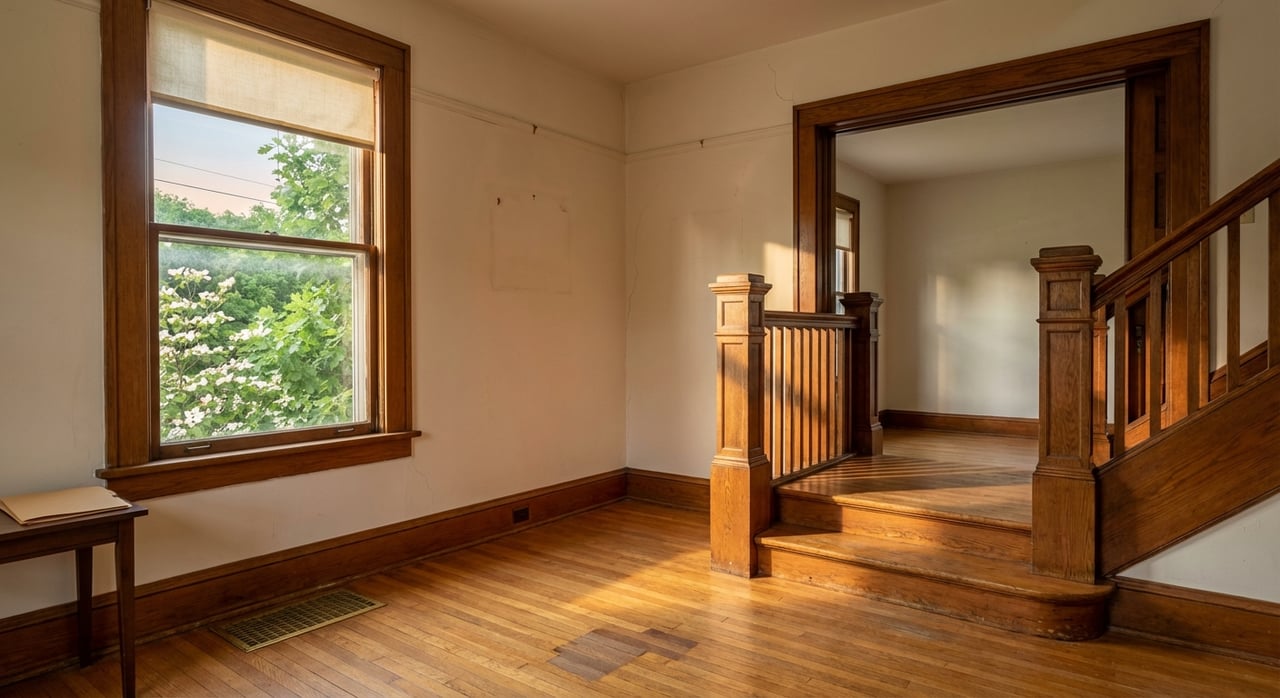
Plan for a few practical tradeoffs. Lots are often smaller, and some older homes may need updates or have limited space for modern garages. On-street parking and compact driveways are common. If you own multiple cars, confirm off-street options during your search.
Depending on the block, you might encounter historic district guidelines or zoning that influences renovations and infill. If you have a vision for additions, outbuildings, or exterior changes, it is smart to check the rules before you make an offer.
One of the biggest advantages of living near downtown is access. Major regional employers, including the university and medical center, are typically a short commute away. Interstate access along I-26 connects Johnson City to nearby cities, and Tri-Cities Regional Airport serves the broader region.
Public transit options exist. If you plan to rely on bus service, review current routes, frequency, and fares so the schedule matches your routine. Walking and biking are most comfortable within and closest to the core, where sidewalks and crosswalks are more common.
Public schools that serve downtown-adjacent addresses are part of the local district, and boundaries can vary by street. Always verify school assignments and programs with the district for the exact property you are considering.
Downtown areas have higher pedestrian activity and more evening foot traffic. This street-level vibrancy can be a positive for some buyers, yet nightlife and events may bring more noise and tighter parking during peak times. Crime rates vary by block, so review current police department data or city dashboards for location-specific insight.
For the smoothest due diligence, follow a simple plan:
Choosing a home near downtown Johnson City is about your daily routine. If you want a walkable life with easy access to dining, arts, and events, and you are comfortable with smaller lots and some nighttime activity, the location can be a great match. If you prefer a quieter, car-centric lifestyle with larger yards, you may want to look a bit farther from the core.
Use this quick checklist as you narrow your search:
Finding the right block near downtown takes neighborhood-level knowledge. A local advisor can help you compare housing types, understand price trends, verify rules that affect renovations or rentals, and preview parking and noise patterns before you commit.
If you are ready to explore homes near the core, reach out to Donald White for responsive, relationship-first guidance rooted in Johnson City expertise. Whether you are buying your first place or planning a strategic sale, you will get clear advice and professional marketing that meets you where you are.
Stay up to date on the latest real estate trends.
Get assistance in determining current property value, crafting a competitive offer, writing and negotiating a contract, and much more. Contact me today.