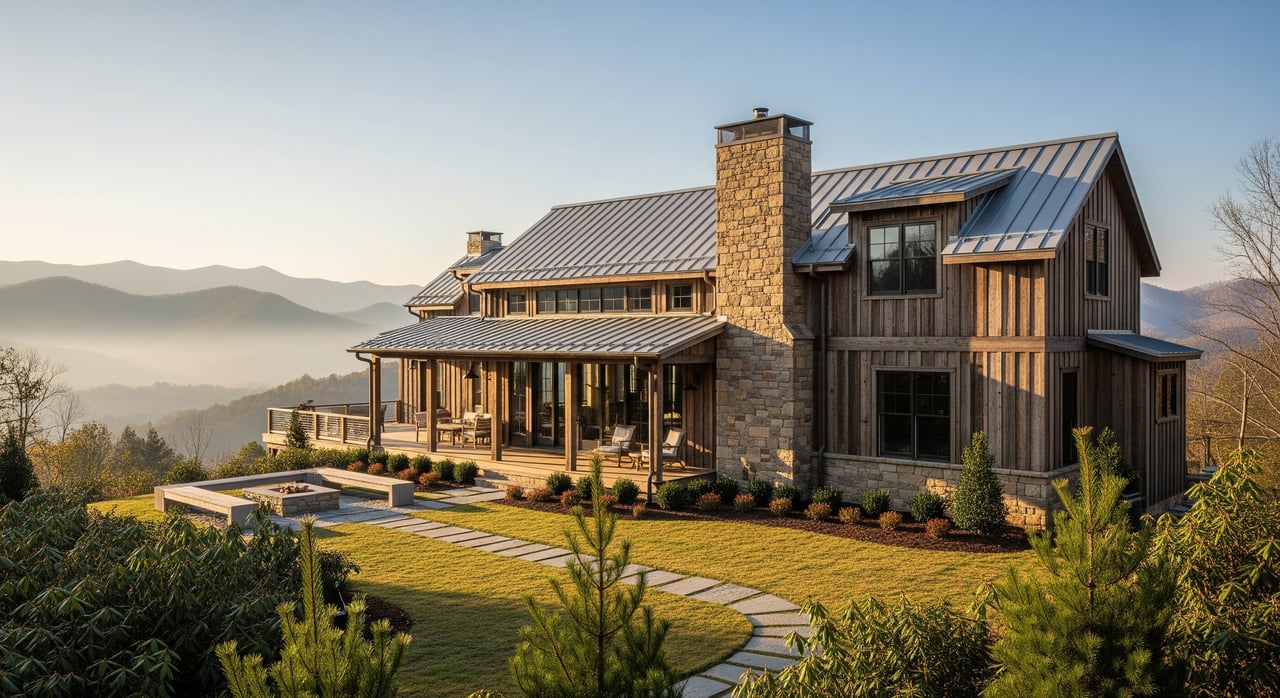
Is a Fixer-Upper Worth It in Mountain City?
January 15, 2026
January 15, 2026
Thinking about buying a fixer-upper in Mountain City but not sure if it will pay off? You are not alone. With older homes, mountain terrain, and a smaller pool of comparable sales, it can feel hard to predict the true cost and future value. In this guide, you will learn how to size up a project, avoid common pitfalls, choose the right financing, and decide if the numbers and timeline make sense for you. Let’s dive in.
Mountain City is a small, rural community with many older homes, cabins, and seasonal properties. Inventory can be limited, and fully renovated comps may be sparse. That can help you negotiate a lower purchase price, but it also introduces uncertainty about how the home will appraise after you renovate and how long it might take to resell.
Steep lots, higher elevation, and freeze and thaw cycles can stress roofs, chimneys, plumbing, and exterior finishes. Driveway grades, erosion control, and soil stability often add complexity to site work. Plan for weather windows and potential winter slowdowns.
Expect fewer local contractors than in larger metros. Specialists may travel in from surrounding towns, which can increase lead times and labor costs. Vet contractors early and build extra time into your schedule.
Permitting and environmental oversight runs through Mountain City and Johnson County offices. Confirm permit needs for structural, electrical, plumbing, septic, and well work before you commit to a timeline.
Look for settling, cracks, uneven floors, and water intrusion in basements or crawlspaces. Structural repairs are often the most expensive and time consuming. If you see concerns, involve a structural engineer before you finalize your budget.
Aging shingles, failing flashing, and rot around eaves can lead to leaks and interior damage. Roof replacement is common on older homes and is often required before resale or insurance approval.
Poor grading, clogged ditches, and undersized gutters can push water toward the house. On mountain lots, unmanaged runoff can impact foundations and septic fields. Plan for gutters, downspouts, and site drainage as part of your scope.
Many properties rely on septic and private wells. Get septic pumping and inspection records, and order a certified septic inspection. Test well water for bacteria, nitrates, and metals. Replacing a septic system or drilling a well can take months and requires county approvals.
Watch for outdated wiring such as knob and tube or old cloth wiring, undersized service panels, aging furnaces or boilers, and galvanized plumbing. Upgrades improve safety and are often necessary for insurance.
Single pane windows, air leaks, and limited insulation are common in older mountain homes. Weatherization and efficient heating can lower costs and improve year round comfort, which also helps marketability.
Homes built before 1978 may have lead paint. Some older materials can contain asbestos. Long term moisture can lead to mold, and rural homes may have termite damage. Use certified testers and plan for remediation steps that align with permits and disclosures.
Steep or unpaved driveways can be difficult in winter. Some properties have limited broadband options. Fuel may be on site, like propane. Access and utility constraints impact daily living, insurance, and resale.
Check setbacks on steep slopes, any floodplain or protected land issues, and subdivision covenants if present. Confirm permit needs with Johnson County and Mountain City before you schedule major work.
Start loan conversations early. Renovation loans often require contractor bids, scopes of work, and specialized appraisals on a tighter timeline.
Older systems can make coverage harder to obtain or more expensive. Some insurers require electrical or heating upgrades before issuing a policy. If the property sits in a floodplain, separate flood insurance may be required. For major renovations, consider builder’s risk or a renovation endorsement and keep your insurer informed about your scope and timeline.
With fewer renovated comps nearby, ARV is harder to pin down. You can review sales in neighboring towns for context, but adjust for distance and neighborhood differences. Work with a local appraiser or a lender who handles renovation appraisals to set a realistic as completed value.
In a small market, ultra high end finishes may not return dollar for dollar. Match materials and finishes to comparable homes. Focus first on items that protect value and widen your buyer pool: safe mechanical systems, roof, septic, insulation, and reliable access. Then plan practical kitchen and bath updates, fresh paint, flooring, and curb appeal.
Rural projects often take longer due to contractor availability, permitting, and deliveries. Carrying costs like mortgage payments, taxes, insurance, utilities, and maintenance add up during renovations. If you plan to sell, compare these costs and your renovation budget to the expected price lift and time to market.
You find a 1960s ranch with a tired roof, dated kitchen, and old carpet. Inspections confirm the foundation is sound, the septic passes, and the well water only needs basic treatment. You finance with a renovation loan, update the roof and mechanicals first, then complete moderate kitchen and bath refreshes. You improve insulation and address driveway drainage. With safe systems, better efficiency, and curb appeal, you have a property that fits local buyer expectations.
A farmhouse shows charm, but inspections reveal significant structural settlement, extensive moisture damage, and a septic field at the end of its life with limited space for replacement. Contractor estimates and county constraints expand the scope and timeline. With sparse comps, the likely resale would not support the investment. You walk away before you are committed and keep looking for a better fit.
A fixer-upper in Mountain City can be a smart move if you confirm the big systems, plan for mountain terrain challenges, and match your scope to local comps. You do not have to figure it out alone. If you want help identifying real opportunities, coordinating inspections, and understanding as completed value in Johnson County, reach out to Donald White for local guidance backed by broad market reach.
Donald White can help you compare homes, line up the right specialists, and decide if a project will serve your goals.
Stay up to date on the latest real estate trends.
Get assistance in determining current property value, crafting a competitive offer, writing and negotiating a contract, and much more. Contact me today.